Why dealers often offer low-ball prices when you sell gold for cash

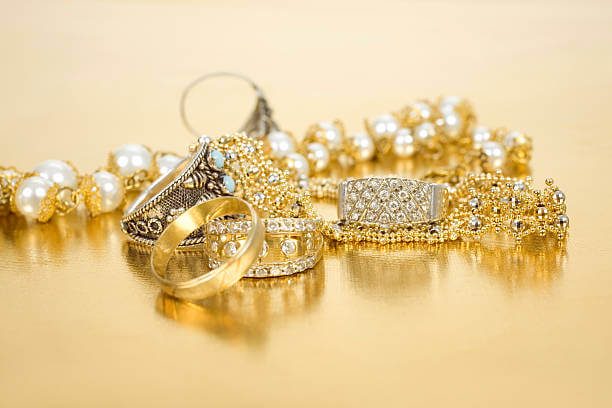
When we search for “cash for gold Melbourne” and walk into a dealer’s shop, it’s striking how different the offer can be from the gold price we see quoted online. Many of us assume a straightforward, fair exchange: gold in, cash out. But the reality is more complex — and it explains why some offers can feel markedly lower than expected.
Dealers buy below spot price to cover costs
One fundamental reason dealers offer prices below the international gold “spot” price is that they must cover their own costs and risks before reselling the gold. When a dealer buys our gold, they incur expenses such as purity testing, security, storage, refining and administrative overhead. These costs are built into the buyback price they offer, which is why offers are typically below the price at which gold trades on global markets.
Australia-based buyers, including many in Melbourne, display rates per gram for different purities that are well under the live bullion price. For example, a 24-carat gold item might be bought for around $187 per gram, while lower-purity jewellery pays even less because the dealer must deduct for alloys and refining costs.
Purity and condition dampen offers
Not all gold is created equal. Jewellery, scrap pieces, or unhallmarked items do not contain pure gold, which reduces the price dealers will pay. Dealers must account for the cost and effort needed to separate gold from alloys and to refine it before resale.
If a piece lacks clear hallmarks or is tarnished, dealers may adjust their price downward because they cannot reliably predict the gold content without further processing.
Dealers protect against market volatility
Gold prices fluctuate daily, sometimes significantly. Dealers cannot assume that the price they pay for gold from an individual seller today will hold when they eventually resell the refined metal. To protect themselves from sudden market moves, they often offer a buffer below spot price. This helps safeguard their margins against short-term price shifts.
The need to resell at a profit
Dealers in “cash for gold” businesses are not refineries or bullion traders themselves; they are intermediaries. Their goal is to buy gold at a price low enough that, after refining and selling into wholesale markets, they can still make a profit.
This explains why offers can vary widely between buyers even for identical items. Some dealers focus on volume and may offer closer to the prevailing gold price, while others operate on tighter margins and thus pay less.
Convenience and competition affect pricing
In high-foot-traffic settings — such as CBD shops or suburban outlets advertising cash for gold Melbourne services — convenience becomes part of the pricing equation. Many buyers rely on walk-ins who want immediate cash, not a drawn-out negotiation. That convenience comes at a cost: if a seller is not prepared to compare prices, the dealer has less incentive to offer competitive rates.
Reputable buyers in Melbourne often display pricing structures and encourage transparency in testing and valuation to distinguish themselves from less competitive options.
Lack of seller knowledge widens the gap
Finally, a key structural reason low-ball offers persist is information asymmetry: dealers know gold pricing mechanics intimately; most sellers do not. Without knowing the current spot price per gram, how purity is assessed, or what typical margins are in the industry, sellers may accept offers that are lower than they need to be simply because they lack a reference point.